Robyn Stacey | The Fruits of Curiosity
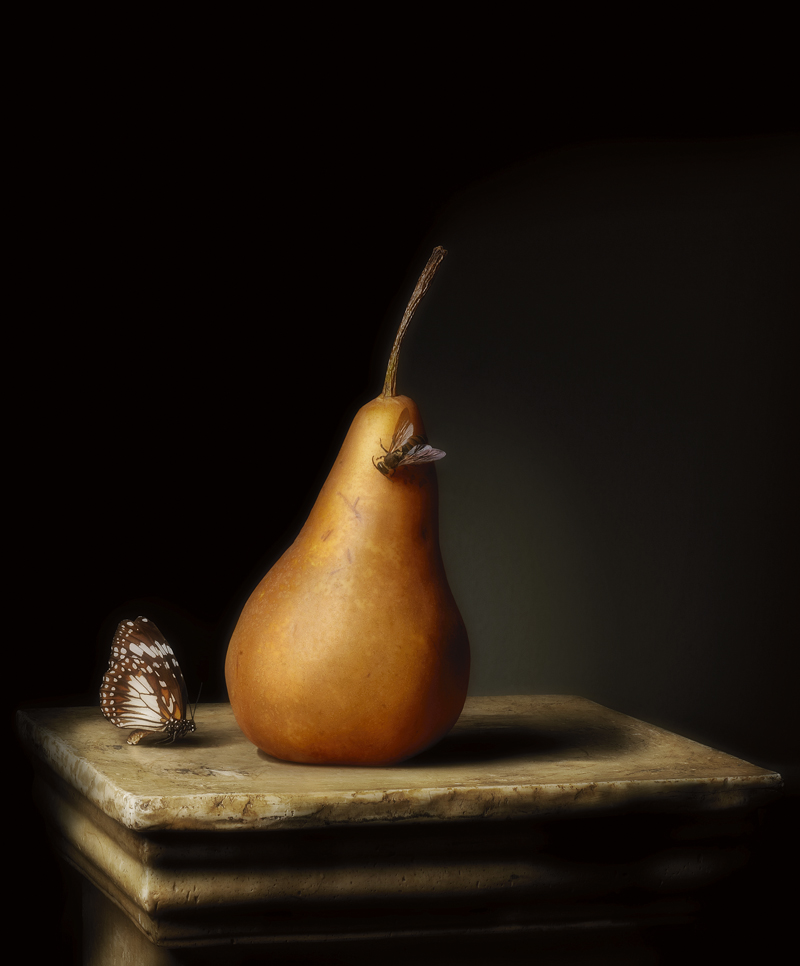
type C print, Ed. #5/5 from an edition of 5 + 2 APs, 90 x 74 cm
enquire about this work
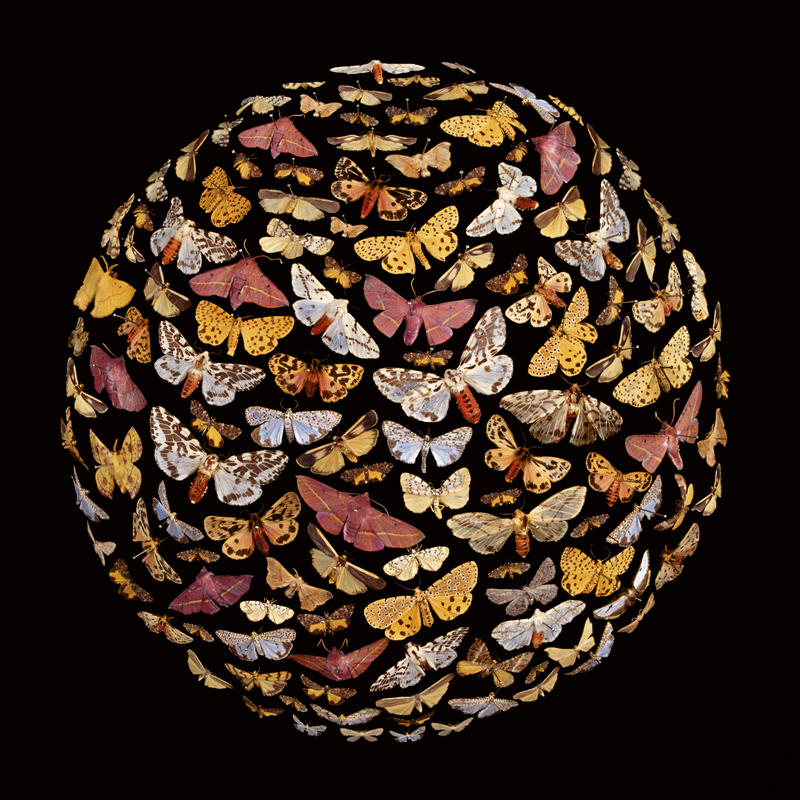
type C print, Artist Proof #1 from an edition of 5 + 2 APs, 120 x 120 cm
enquire about this work
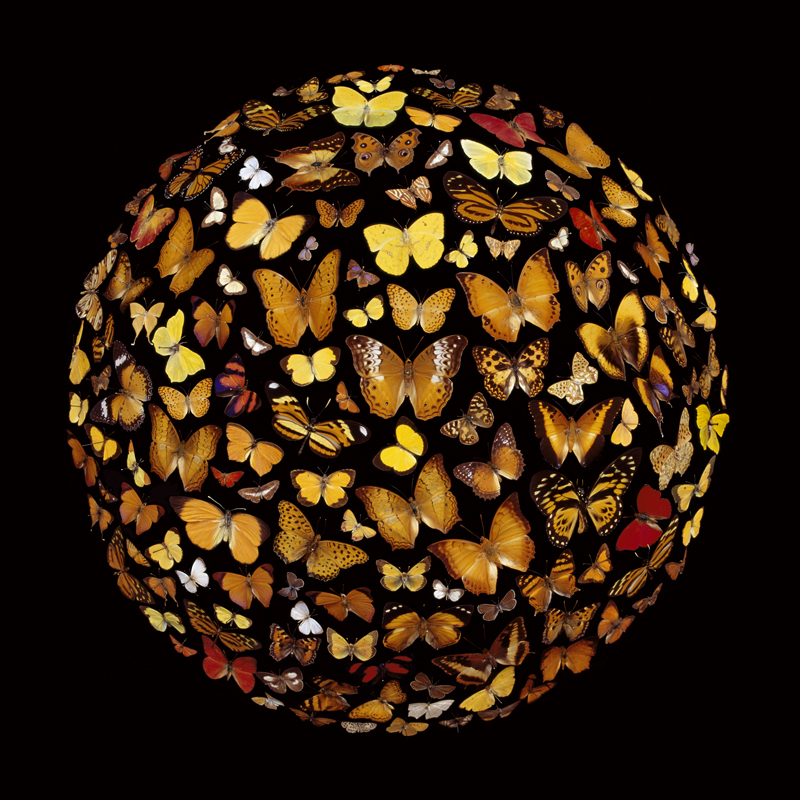
type C print, Artist Proof #1 from an edition of 5 + 2 APs, 120 x 120 cm
enquire about this work
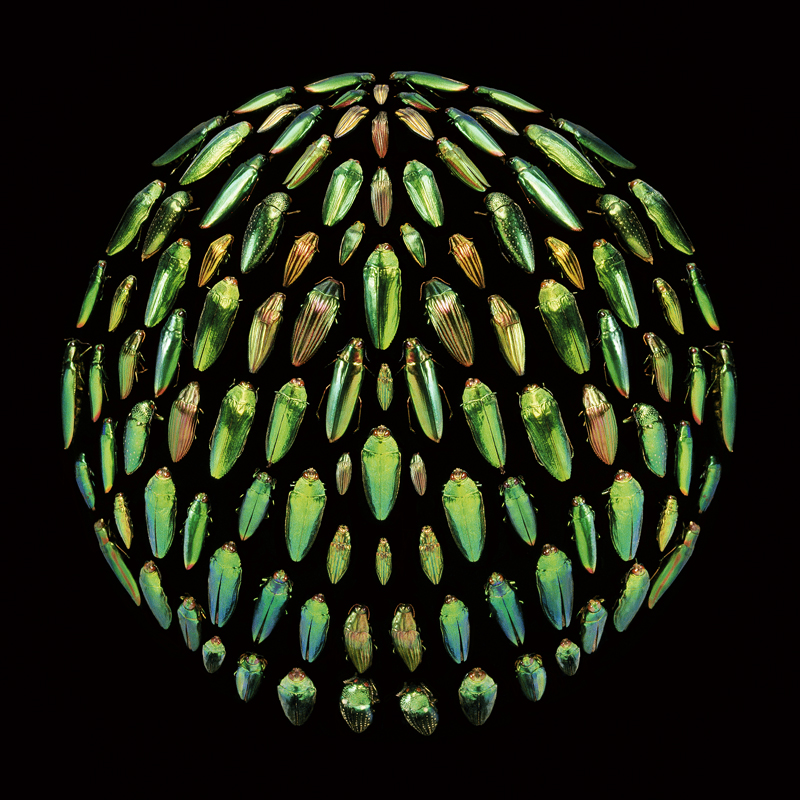
type C print, Artist Proof #1 from an edition of 5 + 2 APs, 120 x 120 cm
enquire about this work
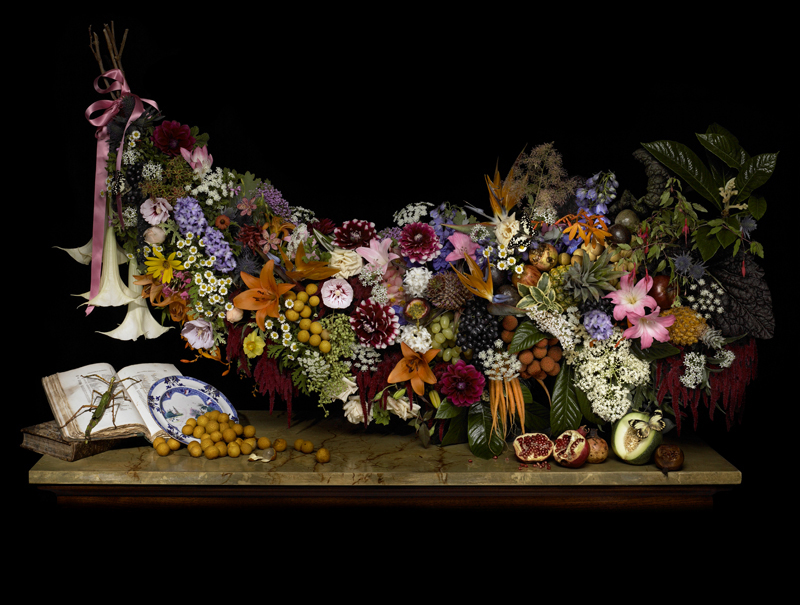
type C print, Artist Proof #1 from an edition of 5 + 2 APs, 120 x 159 cm
enquire about this work
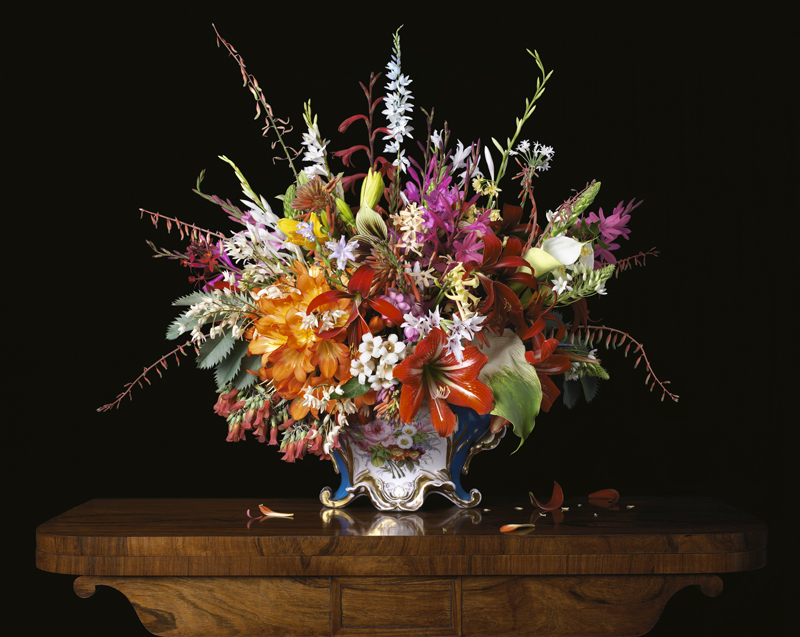
type C print, Artist Proof #2 from an edition of 5 + 2 APs, 120 x 150.5 cm
enquire about this work
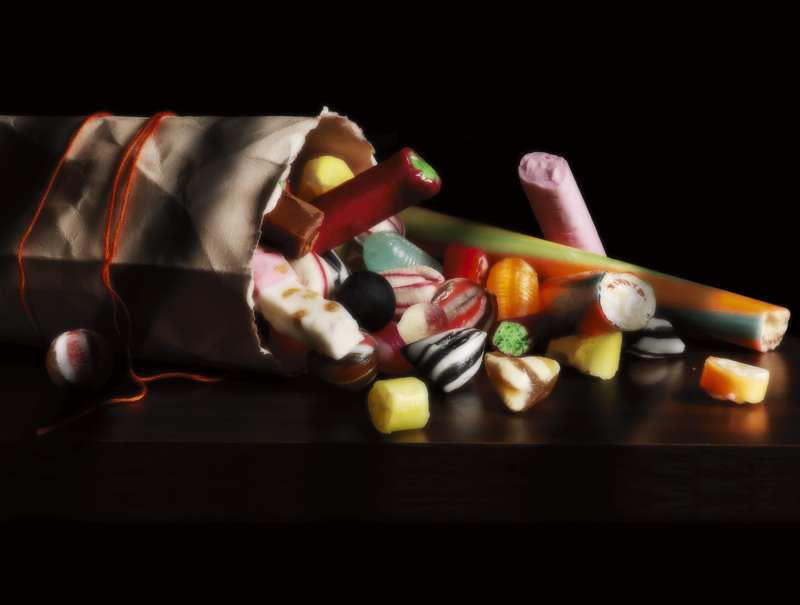
type C print, Ed. #2/5 from an edition of 5 + 2 APs, 90 x 120 cm
enquire about this work
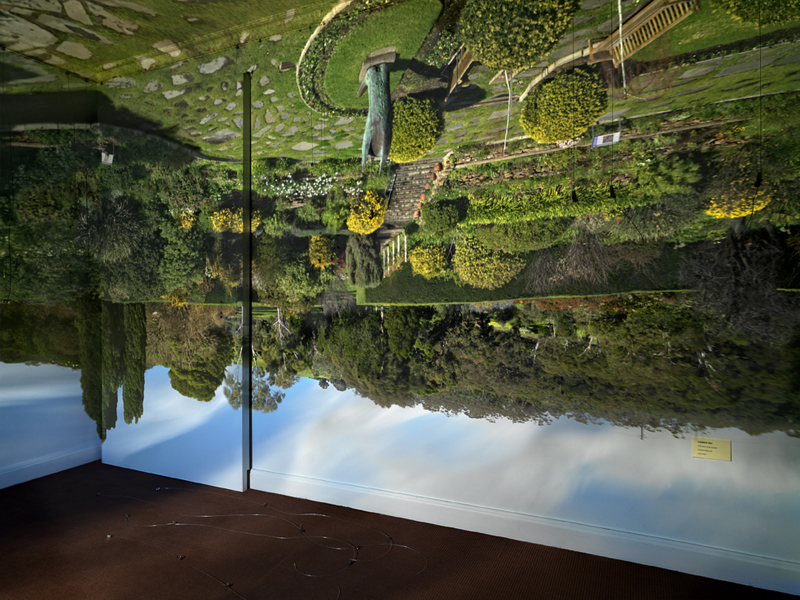
type C print, Ed. #3/5 from an edition of 5 + 2 APs, 110 x 146.7 cm
enquire about this work
THE FRUITS OF CURIOSITY
The 18th century English author Samuel Johnson described curiosity
“…as the thirst of the soul; it
inflames and torments us, and makes us taste everything with joy…always eager for new inquiries;
…which must be gratified with variety, by more rapid flights and bolder excursions.”
Samuel Johnson:Rambler #103, #150, 1751
Joyous exploration, thrill-seeking and social curiosity are the characteristics of this “thirst of the soul”. All this searching, thinking and desire has to manifest in an outcome which is gratifying to the seeker. The personal collection, a reflection of the owner’s taste and knowledge, represents the ultimate consummation of desire and curiosity. Collecting is a form of union. The collector is acknowledging… is adding…is learning...is noting. The true collector is in the grip not of what is collected but of collecting.
Six of the still life images in ‘The Fruits of Curiosity’, (‘Bombe’, ‘Mr. Macleays Fruit and Flora’, ‘Presentation Pear’ and ‘Beau Monde - Yellow, Pink and Green’) are a legacy of Alexander Macleay, a wine merchant who began collecting butterflies as a means of elevating himself socially. This was a successful move on Macleay’s part propelling him through English society to become Secretary of the Linnaean society, friend of Joseph Banks and finally Colonial Secretary to New South Wales in 1826 where work on the collection continued apace. Macleay, his son and nephew believed they could collect one of everything in the world and set out to do just that. The collection is now part of the Chau Chak Wing Museum at Sydney University. Natural history collections, as well as being scientifically significant, embrace the past and the present, showcase both the practical and the sublime, and celebrate the exceptional and the beautiful.
The camera obscura image,‘Tear Drop Garden Carrick Hill’, captures a living collection of plants in the Arts and Craft style designed by its owner Ursula Hayward between 1937–1939. The design reflects Ursula's interest in English garden design, with plantings influenced by her subscription to English nurseries and her appreciation for the style of Constance Spry. The garden is characterized by a "tear drop" shape and sculptures from the Hayward collection feature throughout the garden, particularly notable is Jacob Epstein's sculpture ‘Standing Mother and Child’.
Bill and Ursula Hayward were Adelaide’s power couple, the glamour of their extraordinarily wealthy lifestyle, and their philanthropy meant the couple had an enduring impact on life in Adelaide. Ursula was the first female trustee of a public art gallery when she joined the Board of the Art Gallery of South Australia in 1953. Bill was a founding Director of the Adelaide Festival of Arts. The Hayward collection is a largely intact repository of early-to-mid 20th-century cultural, social, and artistic life, providing a valuable case study for research into private art collecting in Australia.
It is the sheer physicality of collections which makes them so concrete, evident, and attractive. They reflect the habits, thoughts and aspirations of a society and are the prism through which the changing passions and practices in society can be understood and appreciated.
Robyn Stacey March, 2026
References:
Susan Sontag: The Volcano Lover, Carrick Hill website, Robyn Stacey and Ashley Hay:
Museum
Robyn Stacey
THE FRUITS OF CURIOSITY
type C print, Ed. #5/5 from an edition of 5 + 2 APs, 90 x 74 cm
enquire about this work
type C print, Artist Proof #1 from an edition of 5 + 2 APs, 120 x 120 cm
enquire about this work
type C print, Artist Proof #1 from an edition of 5 + 2 APs, 120 x 120 cm
enquire about this work
type C print, Artist Proof #1 from an edition of 5 + 2 APs, 120 x 120 cm
enquire about this work
type C print, Artist Proof #1 from an edition of 5 + 2 APs, 120 x 159 cm
enquire about this work
type C print, Artist Proof #2 from an edition of 5 + 2 APs, 120 x 150.5 cm
enquire about this work
type C print, Ed. #2/5 from an edition of 5 + 2 APs, 90 x 120 cm
enquire about this work
type C print, Ed. #3/5 from an edition of 5 + 2 APs, 110 x 146.7 cm
enquire about this work
THE FRUITS OF CURIOSITY
The 18th century English author Samuel Johnson described curiosity
“…as the thirst of the soul; it
inflames and torments us, and makes us taste everything with joy…always eager for new inquiries;
…which must be gratified with variety, by more rapid flights and bolder excursions.”
Samuel Johnson:Rambler #103, #150, 1751
Joyous exploration, thrill-seeking and social curiosity are the characteristics of this “thirst of the soul”. All this searching, thinking and desire has to manifest in an outcome which is gratifying to the seeker. The personal collection, a reflection of the owner’s taste and knowledge, represents the ultimate consummation of desire and curiosity. Collecting is a form of union. The collector is acknowledging… is adding…is learning...is noting. The true collector is in the grip not of what is collected but of collecting.
Six of the still life images in ‘The Fruits of Curiosity’, (‘Bombe’, ‘Mr. Macleays Fruit and Flora’, ‘Presentation Pear’ and ‘Beau Monde - Yellow, Pink and Green’) are a legacy of Alexander Macleay, a wine merchant who began collecting butterflies as a means of elevating himself socially. This was a successful move on Macleay’s part propelling him through English society to become Secretary of the Linnaean society, friend of Joseph Banks and finally Colonial Secretary to New South Wales in 1826 where work on the collection continued apace. Macleay, his son and nephew believed they could collect one of everything in the world and set out to do just that. The collection is now part of the Chau Chak Wing Museum at Sydney University. Natural history collections, as well as being scientifically significant, embrace the past and the present, showcase both the practical and the sublime, and celebrate the exceptional and the beautiful.
The camera obscura image,‘Tear Drop Garden Carrick Hill’, captures a living collection of plants in the Arts and Craft style designed by its owner Ursula Hayward between 1937–1939. The design reflects Ursula's interest in English garden design, with plantings influenced by her subscription to English nurseries and her appreciation for the style of Constance Spry. The garden is characterized by a "tear drop" shape and sculptures from the Hayward collection feature throughout the garden, particularly notable is Jacob Epstein's sculpture ‘Standing Mother and Child’.
Bill and Ursula Hayward were Adelaide’s power couple, the glamour of their extraordinarily wealthy lifestyle, and their philanthropy meant the couple had an enduring impact on life in Adelaide. Ursula was the first female trustee of a public art gallery when she joined the Board of the Art Gallery of South Australia in 1953. Bill was a founding Director of the Adelaide Festival of Arts. The Hayward collection is a largely intact repository of early-to-mid 20th-century cultural, social, and artistic life, providing a valuable case study for research into private art collecting in Australia.
It is the sheer physicality of collections which makes them so concrete, evident, and attractive. They reflect the habits, thoughts and aspirations of a society and are the prism through which the changing passions and practices in society can be understood and appreciated.
Robyn Stacey March, 2026
References:
Susan Sontag: The Volcano Lover, Carrick Hill website, Robyn Stacey and Ashley Hay:
Museum